
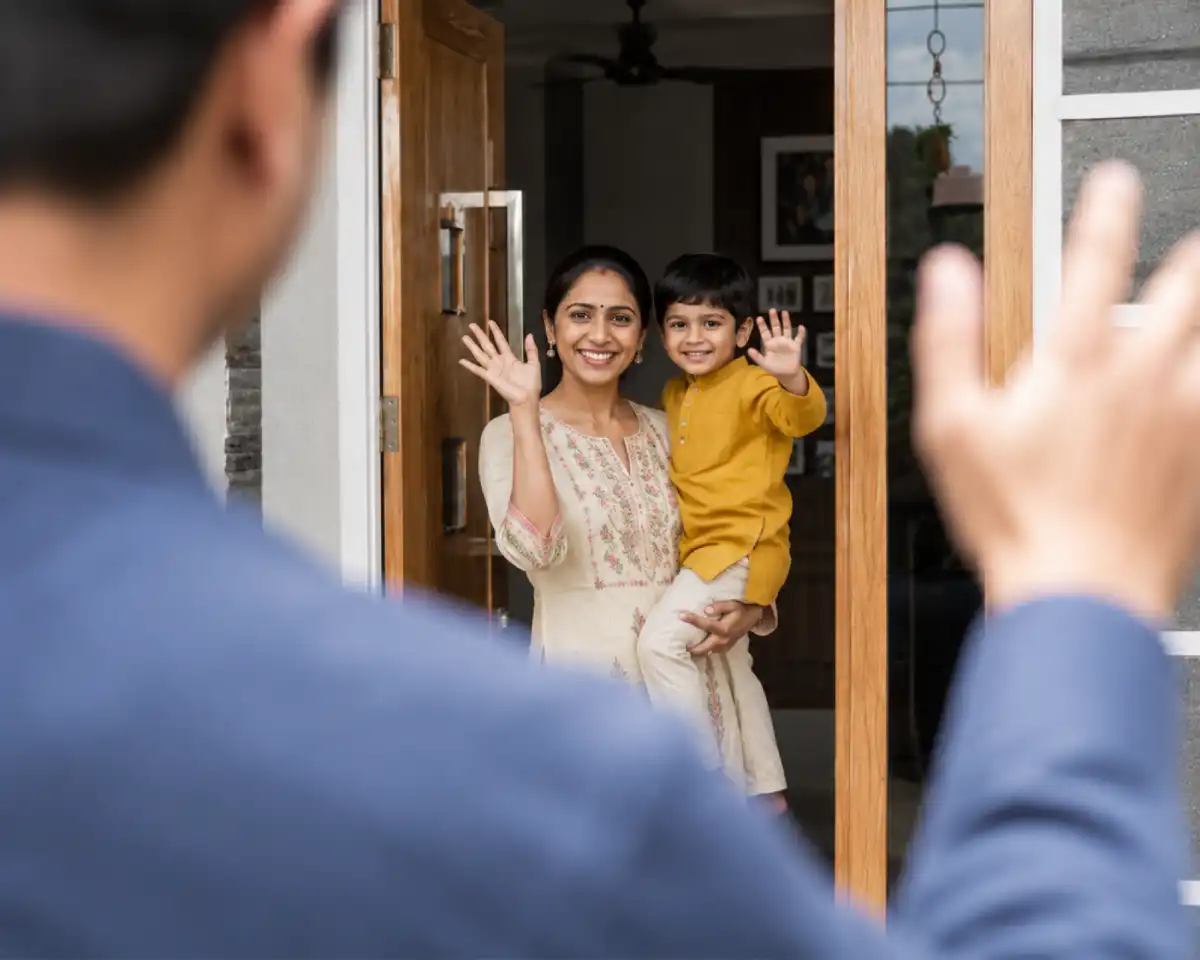
The first few days, or even weeks, at preschool may be a highly emotional period for the child and the parent alike. It is very common for children at a tender age to cry when being dropped off, hold on to their parents, or refuse to go into the class.
The kids have been introduced to the new environment outside the safety of their homes, meet new people, and adjust themselves to new routines. It might be difficult for the kids initially. However, experienced preschool teachers are aware of these feelings and use techniques to ensure that kids feel safe and secure and develop confidence.
Why Do Children Cry During Preschool Drop-Off?
The act of crying on arrival at preschool is often a normal reaction to change and not an indication that the child does not enjoy going to preschool. Children develop a very close emotional relationship with their parents/caregivers, and therefore separation is extremely difficult for the young child. Separation anxiety, new environment, changes in routine, fear of the unknown and possibly just tiredness are some factors which could cause the child to cry on arrival at school. The more the child gets accustomed to his/her teachers and peers and routine, the less likely this is.
Understanding Separation Anxiety
Separation anxiety is part of a normal phase of early childhood development where there is a deep emotional connection between the child and the parent/caregiver. Although this phase may cause crying and reluctance on the part of the child when going to school, this phase will become less pronounced once the child realises his parents will always be back for him. Symptoms of separation anxiety are crying at the departure of the parent, clinging to the caregiver, difficulty joining the class, and continually asking when the parents will come back.
How Preschools Help Children Feel Safe?
The most important strength of a good preschool is the ability to provide a nurturing environment for children to have a sense of emotional safety and security. The teachers know that every kid gets used to something in their own way and give an individual approach when the kids adapt to the preschool routine. They greet every kid individually every day, establish trusting relationships with them, follow everyday routines, reassure children, and encourage them to take part in interesting activities. It helps them feel accepted, appreciated, and loved from the moment they enter the preschool premises.
Gentle Strategies Teachers Use During Drop-Off
Through the use of a friendly, positive, and nurturing approach, preschool teachers guide children towards integrating into the classroom environment without any additional burden of stress or anxiety. Teachers can divert the child’s attention to his/her favourite toys or activities, encourage him/her to play with peers, read a known book or song, provide some recognition for even small successes, and give enough time for the child to settle down. In this way, the children’s minds can be diverted from the emotionally distressing separation to the fun that awaits in the classroom.
While crying when dropping off at school might seem like an emotional situation, overcoming it plays a vital role in developing essential skills for life. It is entirely typical for kids who have just begun going to preschool to cry during the process of dropping off; it is common behaviour in the first weeks of attendance. Emotional responses in such cases are usually short-term and become less common as children become accustomed to their environment, as well as the teachers and peers. Through care, guidance, and encouragement, preschools help children feel comfortable and enthusiastic about learning.
Parents who want to better understand their child’s preschool experience can also explore A Day in the Life at Elzee: What Your Child Does Between Drop-Off and Pick-Up to learn how structured daily routines help children feel secure and engaged. You may also enjoy how consistent routines build confidence, independence, and lifelong skills at Elzee preschool and Daycare.